
Hybrid vs Gasoline Cars in 2025:
Which One Should You Buy?
Published: August 17th, 2025
How do you choose what fuel source is best for you?
Thinking about your next car? Choosing between a hybrid and a traditional gasoline model used to be a no-brainer. Gas cars were cheaper, hybrids offered better mileage, and EVs were still niche. But in 2025, things changed. Hybrids are booming, they're more affordable, and they finally offer real fuel savings without the hassle of charging. In this post, we'll break it all down and help you decide which one makes the most sense for you.
What's a Hybrid?
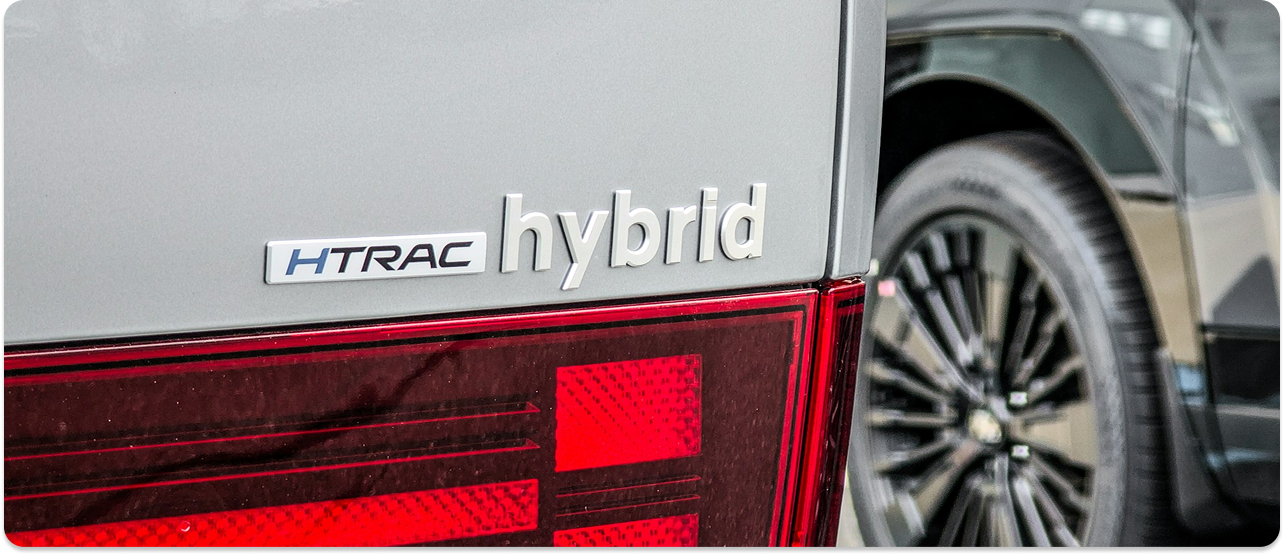
A hybrid vehicle combines a gasoline engine and an electric motor that work together to power the car. It can run on electric power at low speeds or when idling and uses regenerative braking to recharge the battery. That means the gas engine doesn't have to work as hard, improving fuel efficiency and reducing emissions. This article gives a great overview of how hybrid systems save money and gas.
Why Hybrids Are Gaining Momentum
Car makers are betting big on hybrids. For example, Toyota's hybrid sales jumped from just 9% of U.S. sales in 2018 to over 37% by mid-2024. Some 2025 models like the Camry and Land Cruiser are now hybrid-only. That shift shows how strongly the market is turning toward this middle-ground technology, especially as demand for EVs cools off a bit.
Even Honda executives are saying that consumers still prefer hybrids, partly because they're more familiar and convenient.
Upfront vs Operating Cost
Purchase Price
In most cases, hybrids do cost more upfront. A 2025 Honda CRV Hybrid, for example, costs around $4,500 morethan the base gas model. That's a significant bump, but you might be eligible for rebates depending on your state or if it's a plug-in hybrid. This Reddit thread includes real buyer experiences comparing prices.
Fuel and Maintenance
Here's where hybrids start to shine. According to Mercury Insurance, annual fuel costs for hybrids typically fall between $1,100 and $1,685, while gas-only vehicles average between $1,700 and $2,600. That's hundreds in yearly savings, especially if you drive in traffic or make short trips.
Hybrids also tend to need less maintenance. Their brakes last longer because of regenerative braking, and the engine isn't constantly working hard. When something does break, hybrid-specific parts like the battery can be more expensive, but many newer hybrids come with long warranties to offset that risk.
Total Cost of Ownership
In 2024, Business Insider reported that total ownership costs including gas, maintenance, insurance, and repairs, are now around $7,600 per year on average. Hybrids usually beat gas cars over the long haul, especially if you drive regularly and keep your vehicle for more than a few years.
Real-World Snapshot
| Category | Gasoline Cars | Hybrid Cars |
|---|---|---|
| Upfront Price | Lower. | Higher - ~$1,300 to $4,500 premium on average. |
| Fuel Costs (annual) | ~$1,700 - 2,600 | ~$1,100 - 1,685 |
| Maintenance over 100k mi | Higher overall | Slightly lower |
| Insurance | Lowest average rates | Slightly higher |
| Environmental Impact | Highest tailpipe emissions. | Lower emissions, especially in city use. |
When Hybrids Make the Most Sense
- You commute in traffic or short city trips Hybrids perform best in stop-and-go driving where they can run off battery power and charge through braking.
- You can't easily charge an EV If you live in an apartment or don't have a charger at home or work, hybrids give you better efficiency without needing to plug in.
- What does your budget look like? Car and Driver says most hybrids pay back their higher cost in five to seven years through fuel savings. The longer you own it, the better the payoff.
- You want better resale value Right now, hybrids tend to hold their value better than gas cars due to rising fuel prices and growing demand.
When Gas Cars Still Win
Let's put real numbers behind those differences. MSTiller ran a comparison for a 39-month term:
- Lowest upfront cost is the priority Gas vehicles are still the most affordable way to get on the road, especially for new drivers or budget-focused buyers.
- You take long highway trips Hybrids benefit less from high-speed highway driving, where regenerative braking isn't as effective.
- You have excellent access to cheap gas In some rural or low-cost regions, gas prices stay low enough that fuel savings from hybrids aren't as big of a deal.
- You're buying a niche or performance vehicle Some trucks, sports cars, or work vehicles still only come in gas versions and may suit specific needs better.
Final thoughts
In 2025, hybrids are no longer just an eco-conscious upgrade, they're often a smarter financial decision, too. Automakers are leaning into hybrid tech because they deliver better fuel economy and fewer emissions without requiring a charger. As The Zebra points out, it's a great middle path between traditional and electric.
So, if you drive often, especially in the city, and plan to keep your car for several years, a hybrid can easily save you money in the long run. If your priority is rock-bottom pricing, fewer moving parts, and quick refueling anywhere, gasoline still has its place.
When you're ready to compare real-world prices, use the form below to get see special bricing on both hybrid and gas models. You might be surprised at how competitive hybrid pricing has become.


